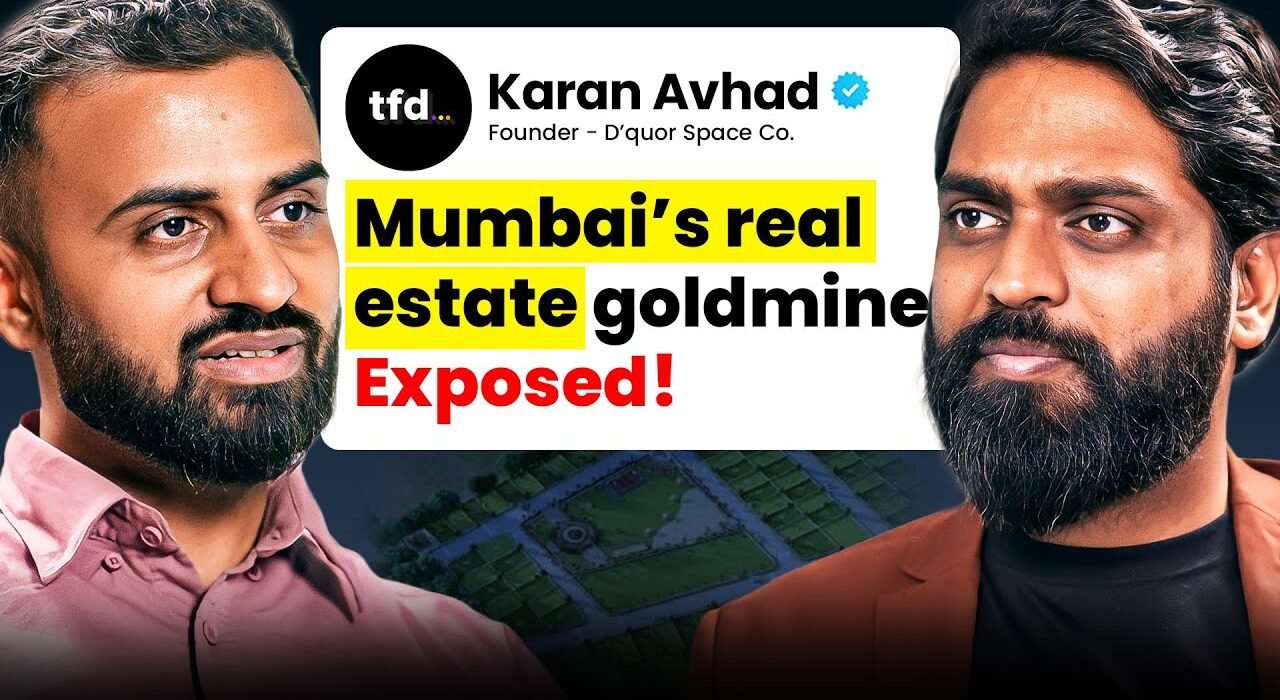
The Founder’s Dream Podcast brings yet another insightful conversation — this time diving deep into the world of real estate in India, one of the most emotionally driven yet misunderstood sectors of our economy. In this episode, host Anuradha engages in a candid discussion with Karan Avhad, the Founder of D’quor Spaces, to decode the true dynamics of the real estate business, land investment, and how India’s changing infrastructure is shaping opportunities for 2025 and beyond.
The Emotional DNA of Land Ownership in India
Real estate in India isn’t just an investment — it’s an emotion. Karan begins by addressing a fact few realize: the majority of court cases in India are land disputes, often between family members. Land represents more than property; it symbolizes legacy, status, and belonging. But this emotional connection can sometimes blind people to the legal and practical realities of owning land.
Unlike other assets, land doesn’t depreciate — it appreciates with time, but only if managed correctly. Karan explains that many investors make the mistake of buying land without due diligence, proper documentation, or understanding local laws. In the real estate business, emotion without awareness can lead to years of struggle. “People fight for land without even knowing its real worth or legality,” he adds, underlining the need for knowledge before ownership.
He also highlights the generational shift — while older generations saw land as a legacy to be passed down, today’s buyers view it as a financial product. But the truth, Karan says, lies somewhere in between — it should be treated as a long-term wealth creation tool, not a quick money game.

The Real Estate Market: Mumbai and Beyond
No discussion about real estate in India is complete without Mumbai — the city where land is gold and space is luxury. Karan, who has worked extensively across the Mumbai Metropolitan Region, offers a grounded view of how the market is evolving.
He explains how limited land availability within Mumbai pushes buyers and investors to look beyond — to places like Navi Mumbai, Raigad, and Alibaug. These areas, once seen as distant, are now becoming hotspots due to major infrastructure projects such as the Navi Mumbai International Airport, Coastal Road, and Trans-Harbour Link.
These projects are not just improving connectivity; they are rewriting the real estate map of India. Land prices in Raigad and Alibaug have already doubled or tripled in just a few years. “When infrastructure comes, prosperity follows,” Karan says.
He encourages investors to look at land as a long-term generational asset. Unlike stocks or crypto that fluctuate daily, land quietly builds wealth over decades. “Real estate business is about patience,” he insists. “You can’t expect results overnight — you need to give it time to mature.”
The New-Age Real Estate Investor
The business podcast highlights a fascinating trend — the new generation of investors entering the real estate business early. Many young professionals, often in their late 20s or 30s, are now preferring to buy land instead of flats. Their reasoning is simple: flats depreciate, but land multiplies in value.
Karan points out that digital awareness and social media have made this generation smarter about investments. They research, verify documents, and understand zoning and legalities before buying. New models such as crowdfunding and fractional ownership are democratizing access to real estate in India, allowing small investors to pool funds and buy larger plots.
However, Karan also warns about overconfidence. “Real estate is not a get-rich-quick plan,” he says. “Even with modern tools, you must do ground-level checks — meet local authorities, verify titles, and ensure every signature on the land document is genuine.”
Legal Clarity and Common Pitfalls
A major focus of this episode is the importance of legality and due diligence in real estate business. Karan reveals that one of the biggest reasons for frauds and failed deals is poor verification. Many people buy land based on emotional trust or word-of-mouth without checking government records.
He explains that after RERA (Real Estate Regulation and Development Act), all agents and developers are supposed to be licensed, yet most buyers are unaware. The government’s push for RERA licensing is a step toward transparency, but awareness remains low.
Karan advises investors to never sign an MOU (memorandum of understanding) without a formal sale deed, and to always collect no-objection certificates (NOCs) from every family member linked to the property. “One missing signature can become a 10-year court case,” he warns.
Another hidden danger is buying land without checking if it’s under government or forest jurisdiction — something that has trapped many buyers in long legal battles. In the real estate business, he says, “A little caution before buying can save a lifetime of regret.”
The Future of Real Estate in India — Sustainability and Purpose
In the final segment of this Hindi podcast, the conversation turns to the future. With rapid urbanization, India is set to witness the rise of new towns and satellite cities. But Karan stresses that sustainable development must go hand in hand with profit.
Developers today are being held accountable not just for selling plots, but for ensuring basic amenities like clean water, proper roads, and waste management. “Real estate in India must grow with responsibility,” Karan asserts. “Our projects should not only give returns but also create better living conditions.”
He also believes that success in the real estate business comes from passion and purpose. “If you treat land as a living thing — respect it, understand it, nurture it — it rewards you beyond money,” he says.
🎙️ Dive into the latest Business Podcast with uncover insights into business, skills & entrepreneurship.
The end mindset,
This episode of The Founder’s Dream is more than just a talk about property — it’s a lesson in perspective. Through Karan Avhad’s real-life insights, listeners understand that the future of real estate in India is not about buying land blindly, but about investing intelligently, legally, and patiently.
For founders, dreamers, and investors alike, this business podcast offers timeless wisdom: wealth built slowly, with clarity and ethics, lasts generations.
🚀 Join us on The Founders Dream YouTube channel—where entrepreneurs turn visions into reality, and futures get built today.
They must verify ownership documents, check government and RERA records, confirm NOCs from all family members, and ensure the land is not under forest or government jurisdiction.
Flats depreciate over time, while land appreciates and offers long-term wealth creation. With better digital awareness, young buyers now understand documentation, zoning, and investment potential more clearly.
Because land in India represents legacy, status, and family heritage. This emotional value often drives decisions, sometimes even more than legal or financial logic.