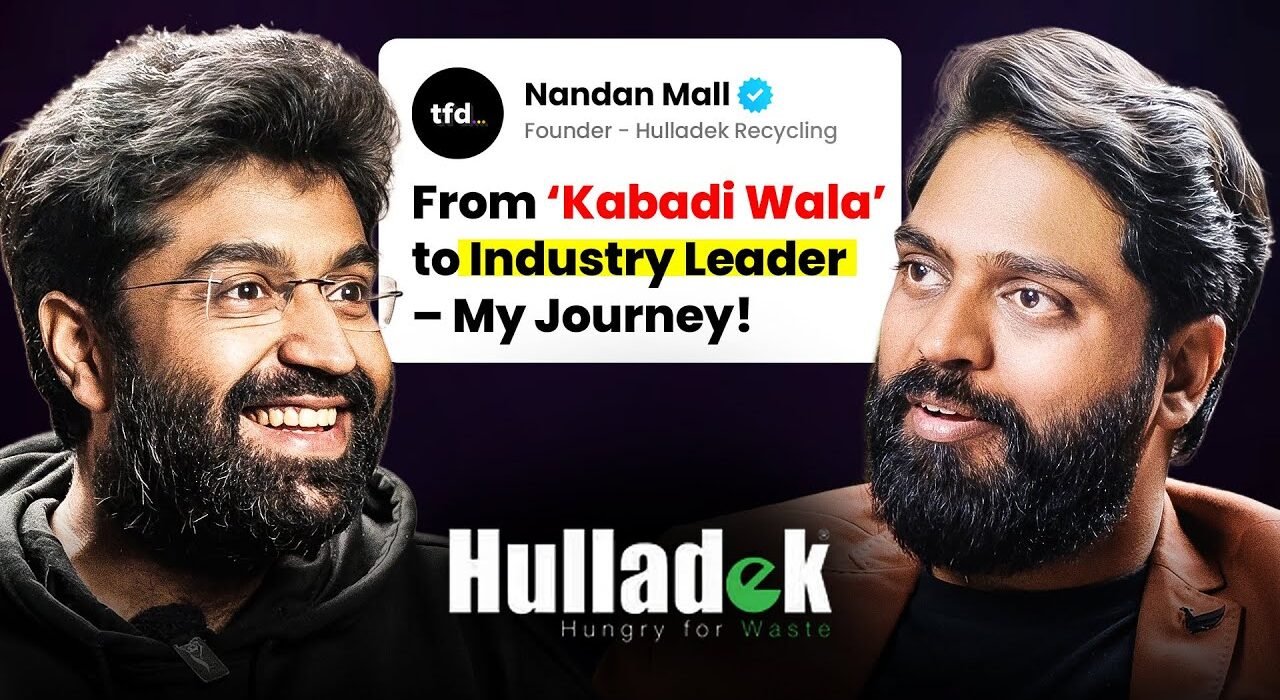
Nandan mall podcast highlights a powerful conversation around India’s growing e-waste crisis and the people working to fix it. India generates tons of e-waste every year—and the numbers are only rising. Amid this challenge, Nandan Mall, founder of Hulladek Recycling, with support from environmental voices like Abhishek Vyas, is driving meaningful change. Their shared mission is clear: replace unsafe kabadi wala practices with smart, legal, and sustainable e-waste management systems that protect both the environment and human health.
E-Waste Kya Hai and Why It Matters
Many people still ask, e-waste kya hai? As explained in the nandan mall podcast, e-waste refers to discarded electronic items like mobile phones, laptops, chargers, printers, cables, and batteries. These items may look harmless, but they contain hazardous e-waste material such as lead, mercury, and cadmium.
In the nandan mall podcast, it becomes clear that unsafe e-waste disposal is not just an environmental issue—it is a health crisis. Informal dumping or burning of electronics releases toxic fumes into the air and contaminates soil and water. Proper management of e waste is no longer optional. India needs awareness, infrastructure, and accountability to handle e-waste responsibly, before the damage becomes irreversible.
India’s Growing E-Waste Scene
India is one of the fastest-growing digital markets in the world, and with that comes massive e-waste growth in India. The nandan mall podcast explains how rapid smartphone upgrades, cheap electronics, and short product lifecycles have accelerated the problem.
For years, informal systems dominated the sector. While kabadi walas played a role in collection, they lacked safety, compliance, and environmental safeguards. According to the nandan mall podcast, this is now slowly changing. Certified e-waste centers, organized e-waste collection, and regulated e-waste recycling are gaining ground. What was once seen as scrap work is now emerging as a serious, regulated industry with economic and environmental value.
Hulladek’s Model: Green, Legal, Scalable
A major highlight of the nandan mall podcast is the work of Nandan Mall, founder of Hulladek Recycling. Hulladek stands out because it follows India’s e-waste management rules strictly, operates licensed e-waste factories, and ensures complete traceability of materials.
As discussed in the nandan mall podcast, Hulladek collaborates with authorized smelters to safely extract precious metals like copper, aluminum, and gold. Their e-waste recycling process proves that sustainability and profitability can go hand in hand. This green, legal, and scalable model shows that recycling e waste can be both a responsible mission and a viable business.
Listen to Sumit Parthi share their entrepreneurial journey in this podcast episode.
Starting Your Own E-Waste Journey
One of the most practical takeaways from the nandan mall podcast is that individuals and entrepreneurs can also contribute. You don’t need to start big. You can begin by organizing a local e-waste drive, opening a small e-waste store, or building a simple e-waste working model for awareness.
The nandan mall podcast also highlights that getting an e-waste licence is easier today with online support systems. Platforms now allow people to sell e-waste online and connect with authorized recyclers. Every responsible action—no matter how small—adds to the larger mission of cleaning India’s digital waste footprint.
Listen to Shreshth Mishra share their entrepreneurial journey in this podcast episode.
Conclusion
The nandan mall podcast offers a clear message: India’s e-waste problem cannot be solved by informal systems alone. The journey from unsafe kabadi wala practices to structured green enterprises shows what is possible with vision and execution. Hulladek Recycling, led by Nandan Mall and supported by leaders like Abhishek Vyas, proves that recycling e waste is not just smart—it is essential for India’s sustainable future.
🚀 Join us on The Founders Dream YouTube channel—where entrepreneurs turn visions into reality, and futures get built today.
Anyone can recycle by giving their electronics to authorised recyclers like Hulladek. The blog discusses simple steps individuals and companies can follow to make e-waste disposal cleaner and easier. Hulladek collects, recycles, and manages e-waste in a safe and legal way. In the blog, the founder shares how their model is creating awareness, reducing pollution, and building India’s sustainable recycling future. E-waste includes old electronics like phones, laptops, TVs, and batteries. India generates huge amounts of it, and most of it is not recycled properly. The blog explains how this affects health, environment, and future generations.